Wisdom Teeth Woes: A Breakdown of Extraction Costs Without Insurance


Understanding the costs associated with wisdom teeth extraction can be a daunting task, especially when you’re navigating the financial landscape without insurance. This guide delves deep into the various factors influencing extraction costs, providing valuable insights for those facing this common dental procedure. From consultations to aftercare, we will explore all aspects of wisdom teeth extractions to equip you with knowledge and empower your decision-making process.
Understanding Wisdom Teeth: What You Need to Know

Wisdom teeth, or third molars, typically emerge in late adolescence to early adulthood. For many individuals, these teeth can lead to various dental issues, including overcrowding, misalignment, and impaction. As a result, dental professionals often recommend their extraction. However, understanding the necessity of this procedure and the associated costs is crucial for effective planning.
The extraction process can differ depending on the complexity of your situation. For example, a straightforward extraction may require minimal intervention, whereas an impacted wisdom tooth might necessitate surgical removal. Knowing the specifics of your situation can help you anticipate the potential costs and prepare accordingly.
Factors Influencing Extraction Costs Without Insurance

When it comes to wisdom teeth extraction, several factors can dictate the overall cost. Firstly, the geographical location of the dental clinic plays a significant role. Urban areas often feature higher costs due to increased demand and higher operational expenses, while rural practices may offer more affordable options.
Secondly, the experience and qualifications of the dental professional can affect pricing. Highly skilled oral surgeons may charge a premium for their services, reflecting their expertise and training. Moreover, the type of facility—whether a private practice or a dental clinic—can influence costs, as larger clinics might offer competitive pricing due to economies of scale.
Types of Wisdom Teeth Extractions and Their Costs
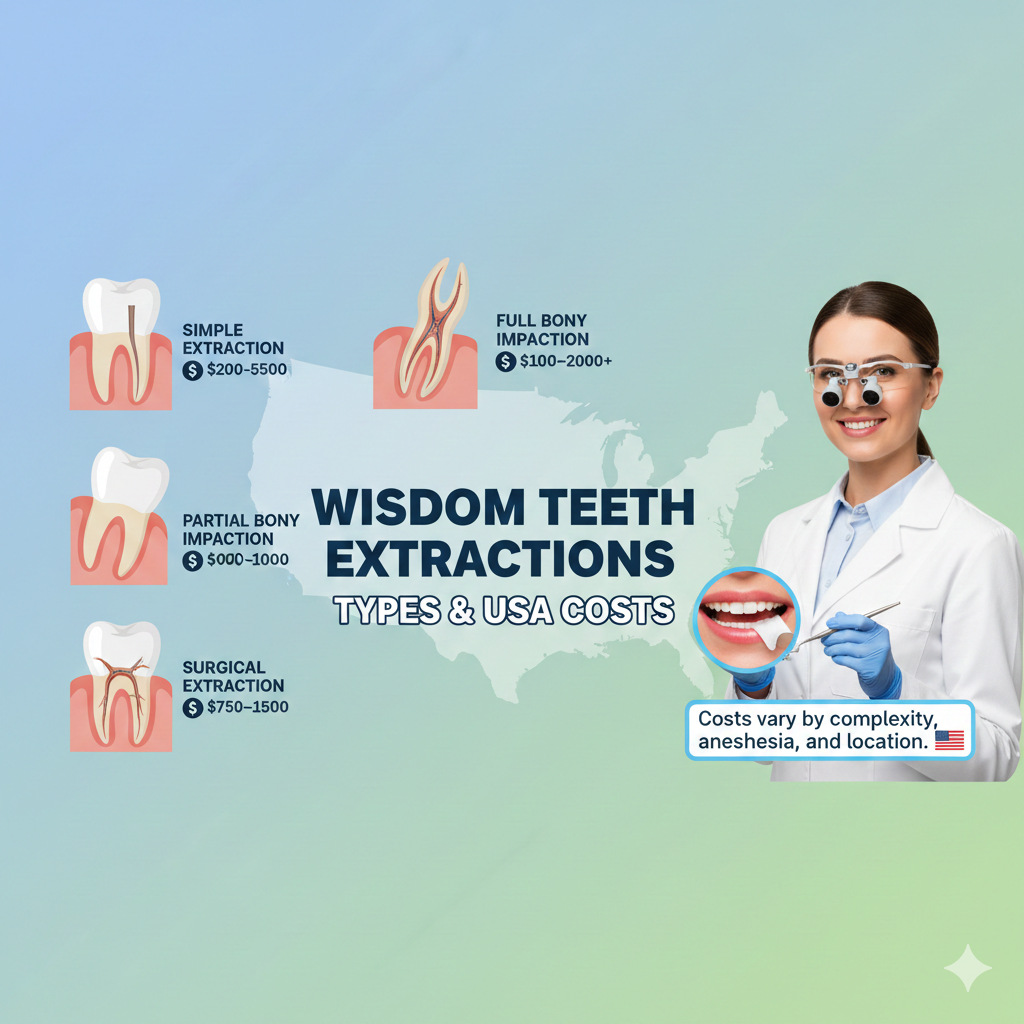
Wisdom tooth extractions can be classified into two main categories: simple and surgical extractions. Simple extractions involve teeth that have fully erupted and are readily accessible, typically costing between $75 to $200 per tooth. In contrast, surgical extractions are necessary for impacted teeth, which can cost between $300 to $800 per tooth.
In addition to the extraction type, anesthesia options can significantly impact pricing. Local anesthesia may be included in the extraction cost, while sedation options such as nitrous oxide or general anesthesia can raise expenses. Patients should also consider potential additional fees for sedation costs and any required imaging, such as X-rays, which can range from $30 to $250.
Moreover, the complexity of the case can influence the overall price. If multiple teeth require extraction, dental professionals may offer a discounted rate per tooth, allowing patients to save on the cumulative costs. Therefore, understanding the nuances of your unique situation can help you manage expectations concerning financial commitments.
Preparing for Your Wisdom Teeth Extraction: What to Expect
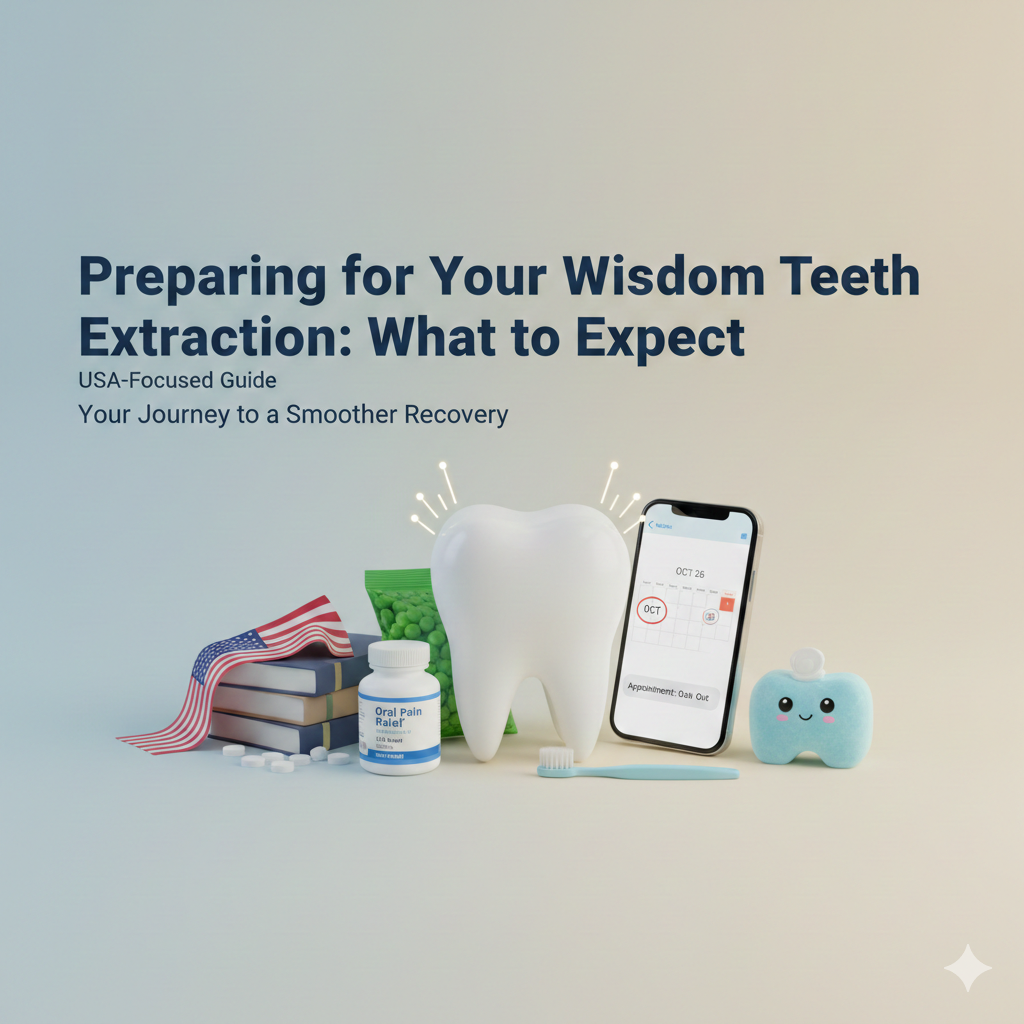
Preparation is crucial for a successful wisdom tooth extraction. Prior to your appointment, it’s advisable to consult with your dentist or oral surgeon to discuss any concerns. They will likely conduct a thorough examination, including X-rays, to determine the best course of action. Understanding this initial evaluation can give you insight into the overall process and what to expect regarding costs.
On the day of the extraction, patients should arrange for a friend or family member to accompany them home, especially if sedation is used. Following the procedure, ice packs and over-the-counter pain medications can be beneficial for alleviating discomfort. Understanding postoperative care and any associated costs will aid in proper recovery, further emphasizing the importance of thorough preparation.
It’s also essential to have a recovery plan in place. Whether it’s arranging for time off work or having easy-to-eat food on hand, preparing for post-extraction life can ease the stress of the procedure and its associated costs. Keep in mind that follow-up appointments may also be necessary, which could lead to additional expenses.
Exploring Payment Options and Financial Assistance
When faced with the cost of wisdom teeth extractions without insurance, exploring various payment options is vital. Many dental practices offer flexible payment plans to make the procedure more accessible. Financing options, like CareCredit, allow patients to pay in manageable monthly installments, effectively alleviating the financial burden.
Additionally, some dentists may provide discounts for upfront payments or pro bono services for patients in need. Researching these options can uncover potential savings, making it crucial to ask about available financial programs when scheduling your appointment.
Consider also exploring local dental schools, where supervised students often provide services at significantly reduced rates. This can be an excellent way to receive quality care without straining your finances. However, be cautious and ensure that any dental institution you consider maintains reputable standards of care.
The Importance of Post-Extraction Care

The immediate days following your wisdom teeth extraction are crucial for successful recovery. Adhering to post-operative care guidelines can significantly influence your healing process and minimize the risk of complications. Common advice includes maintaining a soft diet, avoiding strenuous activity, and adhering strictly to prescribed medications.
Moreover, monitoring your recovery is essential. If you encounter excessive swelling, pain beyond what is expected, or signs of infection, contacting your dental professional immediately is critical. Addressing these issues early can prevent more severe complications and additional costs down the line.
Ultimately, investing in your dental health and recovery is essential. Setting aside a budget for post-extraction care and potential follow-up visits reinforces the importance of prioritizing your health while effectively managing costs. Remember, investing in your well-being can often save you from more significant expenses later.
Conclusion: Navigating Wisdom Teeth Extraction Costs
Navigating the costs associated with wisdom teeth extraction can feel overwhelming but understanding the various factors at play can provide clarity and ease your financial concerns. By being proactive and informed, you can make the best decisions about your dental health.
As you prepare for your appointment, consider your unique situation and the various options available to you. From understanding the types of procedures to budgeting for post-operative care, this guide serves as a comprehensive resource for your wisdom teeth woes.
Ultimately, prioritizing your oral health is an investment in your overall well-being. Don’t hesitate to reach out to dental professionals to discuss your individual needs, ensuring that you get the care you deserve at a price you can manage.













Post Comment