A Side-by-Side Comparison: Professional Liability vs. General Liability Insurance
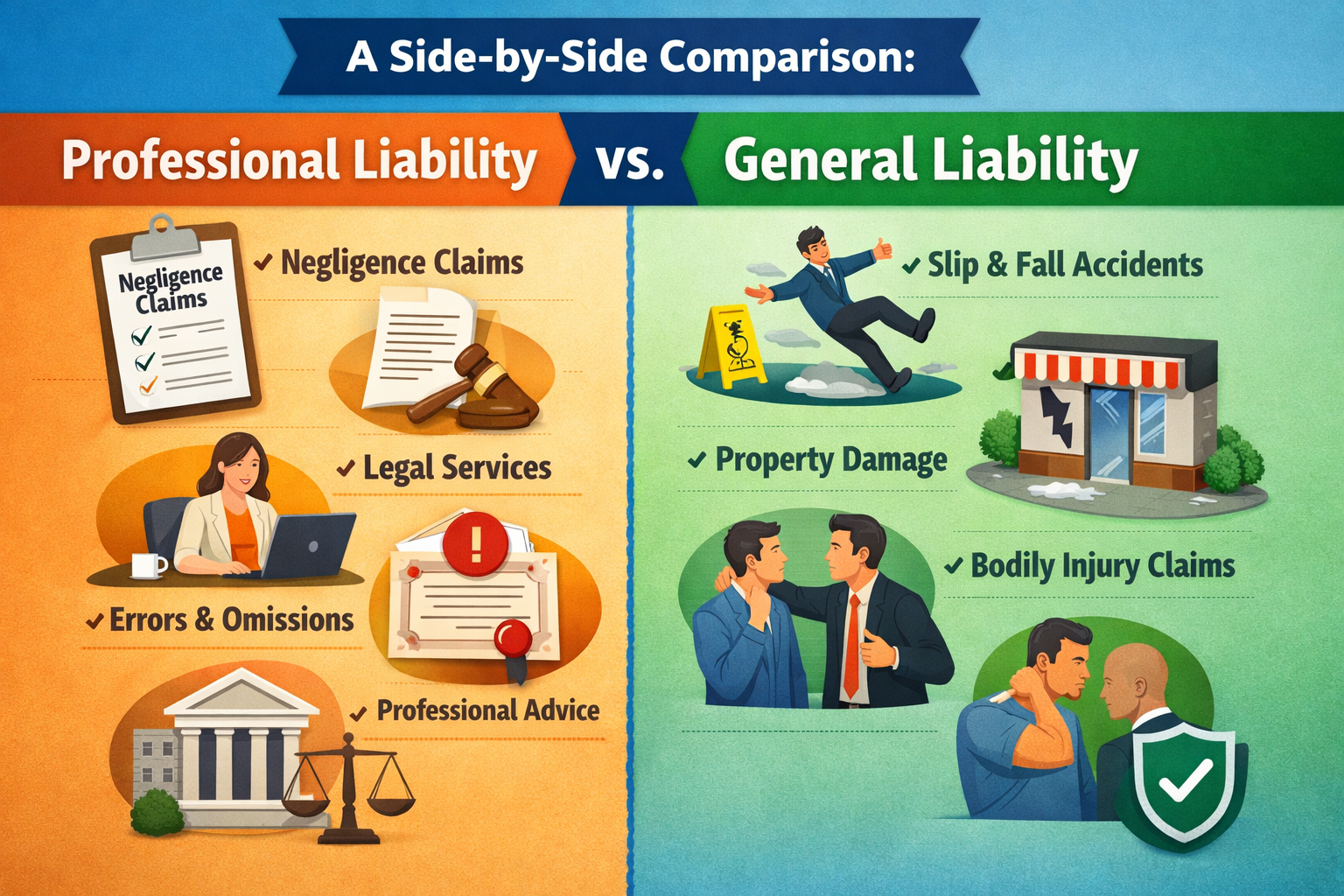
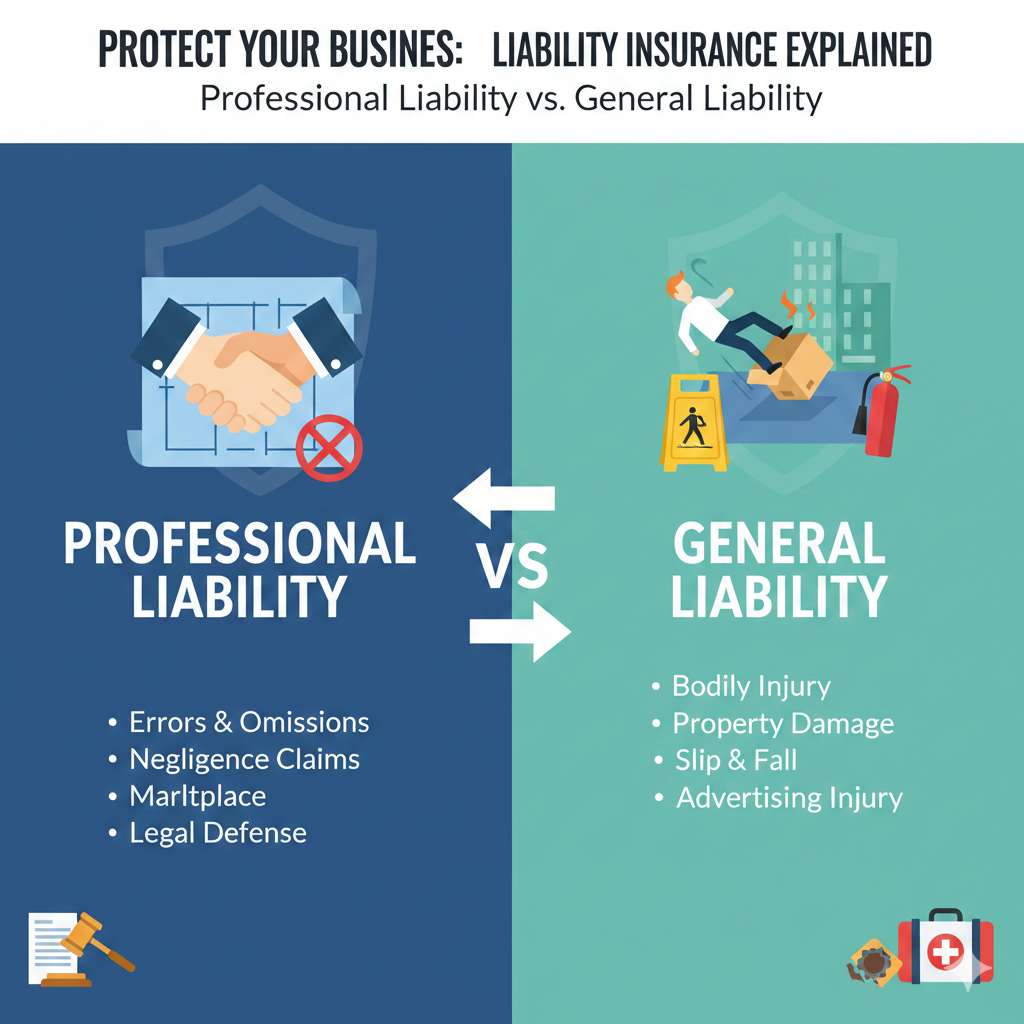
When it comes to safeguarding your business, understanding the differences between Professional Liability and General Liability Insurance is crucial. These insurance policies serve different purposes and cover various aspects of liability, making them vital for businesses of all sizes. In this comprehensive guide, we will delve into the nuances of each type of insurance, helping you make an informed decision for your company’s protection.
Understanding Professional Liability Insurance

One key aspect of Professional Liability Insurance is that it focuses on the services provided by professionals rather than physical products. This makes it essential for industries like healthcare, law, and consulting, where the risk of claims arises from the services rendered rather than the tangible items sold. Additionally, many professions, especially in regulated industries, may even be required to carry this type of insurance to operate legally.
The Role of General Liability Insurance

General Liability Insurance, on the other hand, is a more broad-spectrum policy that protects businesses from a variety of claims. This includes coverage for bodily injury, property damage, personal injury, and advertising injury. For example, if a customer slips and falls in your store, General Liability Insurance can cover medical costs and legal fees if they decide to sue.
The versatility of General Liability Insurance makes it an essential policy for all businesses, regardless of size or industry. It provides a safety net against everyday risks, allowing business owners to focus on their operations without the constant worry of potential lawsuits. However, it’s important to note that while General Liability covers many common risks, it does not extend to professional services, highlighting the necessity of having both types of coverage for comprehensive protection.
Key Differences Between Professional Liability and General Liability Insurance

Understanding the key differences between these two types of insurance is essential for any business owner. Firstly, the primary focus of Professional Liability Insurance is on the services provided—covering claims related to errors or omissions in those services—while General Liability Insurance focuses on physical risks and damages incurred by third parties. Therefore, businesses in the service sector should prioritize Professional Liability Insurance, while those with storefronts or physical interactions with clients may find General Liability more pertinent.
Another vital difference lies in the claims process. Claims under Professional Liability typically involve complex legal proceedings focused on professional standards, while General Liability claims usually involve straightforward assessments of negligence or fault. This distinction can influence the type of coverage amounts needed and the overall cost of premiums for each policy.
Additionally, the industries that commonly require each type of insurance vary. Professional Liability is often essential for fields like medicine, consulting, and law, where advice and services are central. In contrast, General Liability is necessary for nearly all businesses, particularly those that deal with public customers or physical locations, emphasizing the importance of having both coverages tailored to your business needs.
Why Your Business Needs Both Types of Insurance

Having both Professional Liability and General Liability Insurance is crucial for comprehensive risk management. While General Liability protects against common risks associated with physical injuries or damage, Professional Liability safeguards against risks specific to professional services. Without both, your business could be exposed to serious financial risks that could jeopardize its very existence.
Moreover, many clients and customers may require proof of insurance before entering into contracts or partnerships. This is particularly common in professional service agreements where the potential for claims is higher. Having both types of insurance can enhance your credibility and trustworthiness in the market, making it easier to secure contracts and maintain optimal client relations.
In summary, relying solely on one type of insurance can leave significant gaps in your coverage. For businesses involved in both providing services and facing physical risks, securing both Professional and General Liability Insurance ensures a well-rounded and robust safety net.
Choosing the Right Coverage for Your Business
It’s also advisable to consult with an insurance professional who can analyze your specific needs and recommend suitable coverage limits. They can help you understand not only the essential policies needed but also any add-ons or endorsements that might enhance your insurance package. This personalized approach ensures that you’re adequately covered against the unique risks your business faces.
Additionally, consider annual reviews of your insurance policies. As your business grows and evolves, so too will your risk profile. Regularly revisiting your coverage options can help ensure that you maintain adequate protection in an ever-changing market landscape. This proactive management of your insurance needs can save your business from potential losses in the future.
Conclusion: A Well-Rounded Insurance Strategy
In conclusion, creating a well-rounded insurance strategy that includes both Professional Liability and General Liability Insurance is vital for safeguarding your business. Each type serves a unique purpose and protects against different kinds of liabilities. By understanding their distinct features and benefits, you can better equip your business against diverse risks and foster longevity in your entrepreneurial journey.
Ultimately, investing in both types of insurance is an essential step towards ensuring your business’s success and resilience. As you navigate the complexities of coverage options, don’t hesitate to seek expert advice, conduct thorough risk assessments, and choose policies that suit your unique business needs.












Post Comment