Investing in Your Smile: What You Need to Know About Braces Costs
Investing in Your Smile: What You Need to Know About Braces Costs
Getting braces is more than just a fashion statement—it’s an investment in your health and self-confidence. As we explore the nuances of braces costs in this comprehensive guide, you’ll discover everything from initial fees to long-term financial planning. Understanding the financial aspects of your orthodontic journey can make it easier for you to achieve a perfect smile without unforeseen expenses.
While braces can be a significant investment, the benefits they provide—improved dental health, enhanced aesthetics, and boosted self-esteem—often far outweigh the costs. In this article, we’ll break down key factors that influence braces costs, the different types of braces available, potential payment options, and tips for managing these expenses effectively.
Factors Influencing the Cost of Braces
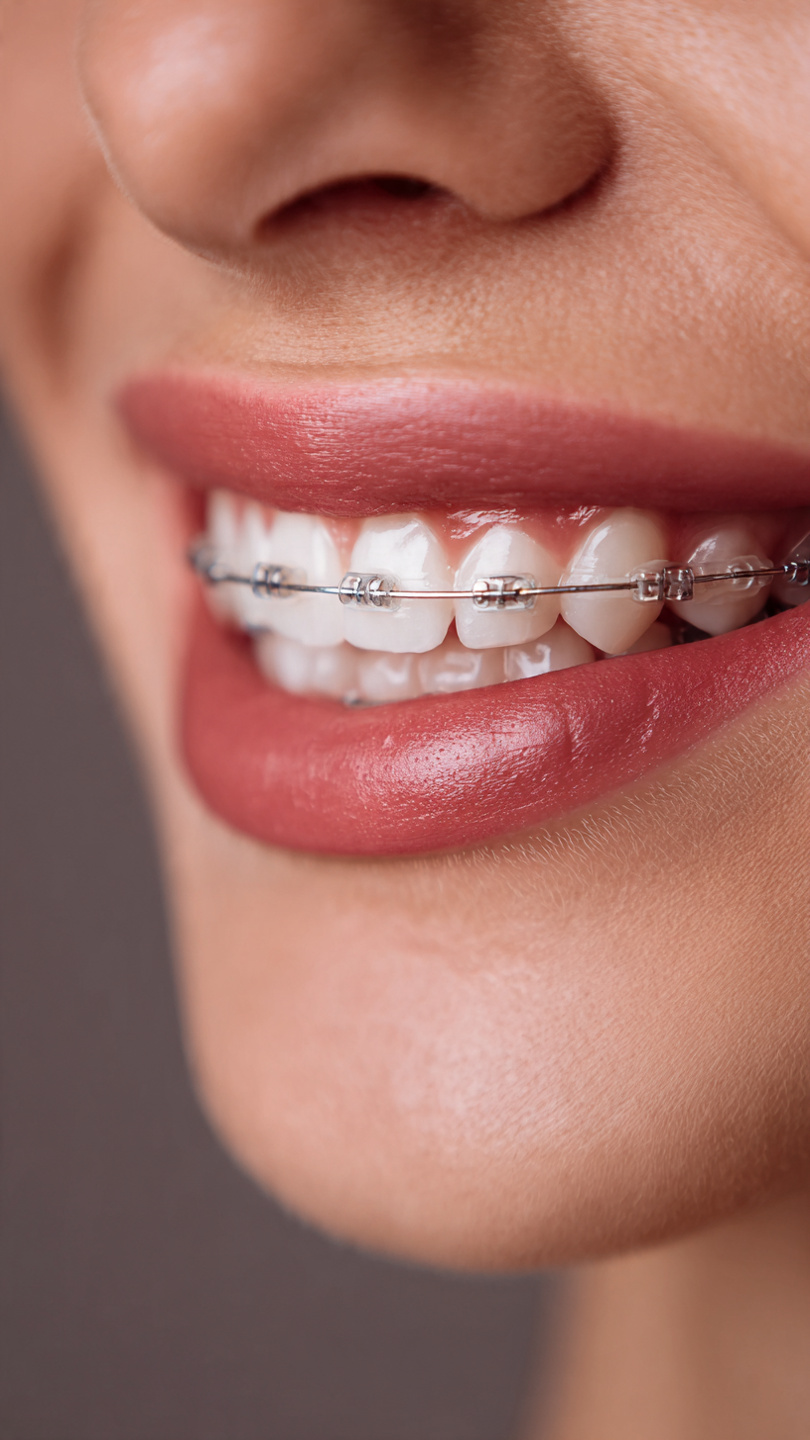
When considering braces, it’s vital to understand that costs aren’t one-size-fits-all. Several factors will influence how much you’ll ultimately pay for orthodontic treatment. The complexity of your dental issues is perhaps the most significant component. Conditions such as crooked teeth, overcrowding, or bite misalignment can necessitate more extensive treatment, increasing costs.
Another critical factor is the type of braces you choose. Traditional metal braces generally cost less than alternative options such as ceramic braces or Invisalign. Each variant has its benefits and drawbacks, which can influence your decision beyond just price. Consultations with your orthodontist can clarify which options cater to your particular dental requirements and budget.
Insurance coverage also plays a significant role in determining out-of-pocket expenses. Many dental insurance plans include orthodontic services, but it’s essential to check the specifics of your policy. This often includes coverage limits, co-pays, and deductibles, which can vary dramatically from one plan to another.
The Different Types of Braces: Costs and Benefits
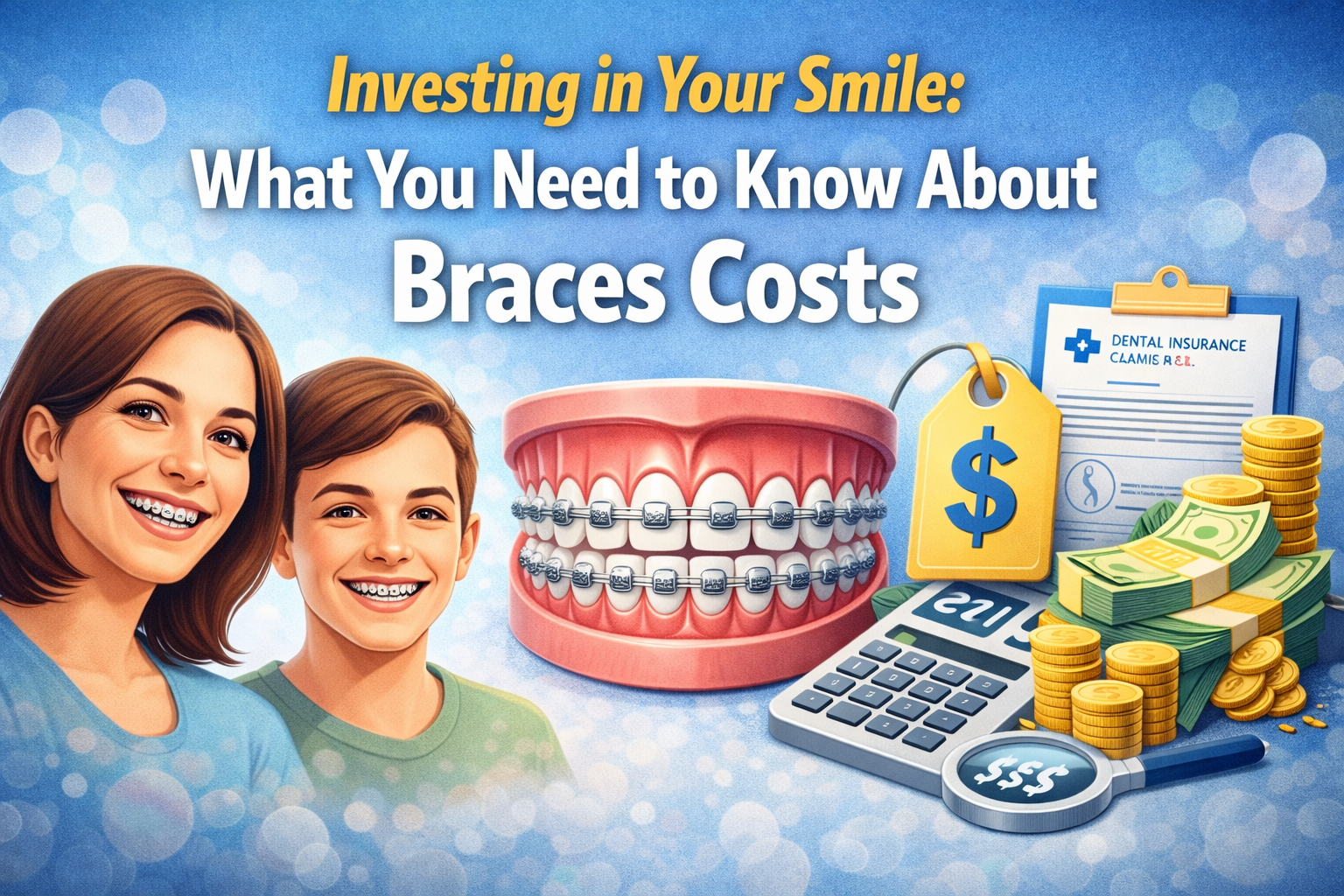
Understanding the different types of braces can help you make an informed decision based on both aesthetics and financial implications.
Metal Braces
Metal braces are the most traditional and widely recognized option. They consist of metal brackets and wires, which exert pressure on the teeth to gradually shift them into the desired position. Typically, these braces are the least expensive option, costing between $3,000 and $7,000. They are durable and effective, making them a popular choice among both children and adults.
Ceramic Braces
Ceramic braces work similarly to metal braces but use clear or tooth-colored materials, making them less noticeable. While they can provide a more aesthetically pleasing option, they usually come at a higher cost—ranging from $4,000 to $8,000. These braces can be more fragile than metal varieties, requiring patients to take additional care.
Invisalign
Invisalign uses a series of clear, removable aligners to gradually straighten teeth. This option is increasingly popular for adults due to its discreetness and convenience. The costs for Invisalign treatments can vary widely, usually falling between $3,500 and $8,000. However, each patient’s needs may lead to differing prices, so consulting an orthodontist is crucial.
Understanding the Timeline for Braces Treatment
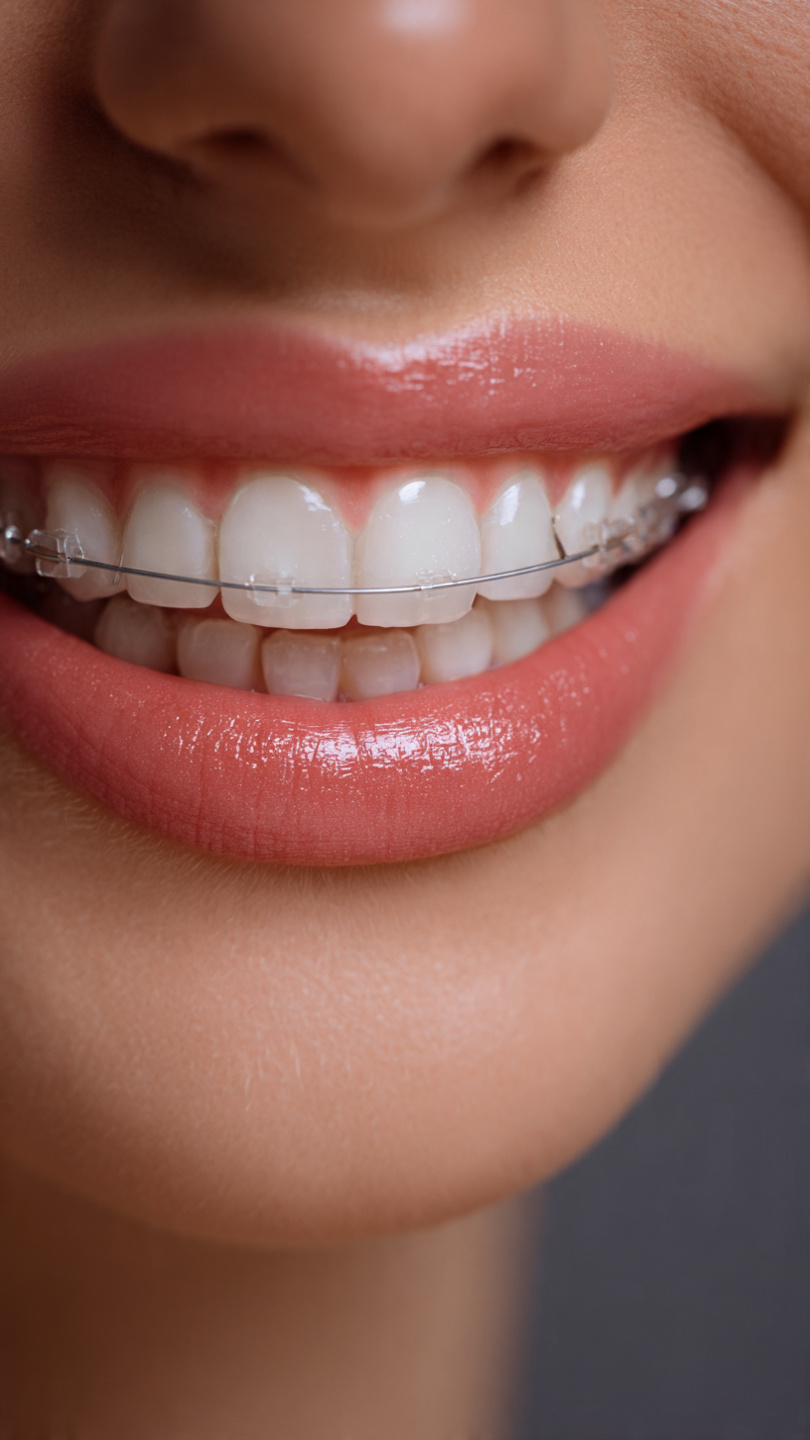
The duration of your orthodontic treatment can also affect overall costs. On average, braces treatment lasts between 18 months to 3 years, though this timeline can be shorter or longer depending on your specific dental challenges.
Your orthodontist will provide a personalized treatment plan that outlines the expected length of time you’ll need braces. Typically, appointments for adjustments occur every month, which may involve additional costs.
It’s also essential to factor in the potential need for follow-up treatments. After the initial braces are removed, many patients require a retainer, which can incur additional costs but is critical for maintaining tooth alignment.
Payment Options and Financial Assistance
Navigating the financial landscape of orthodontics can be daunting, but there are various payment options available to help ease the financial burden. Many orthodontic practices offer payment plans that allow you to pay the total cost over time, making it easier to manage monthly expenses.
Some practices may also provide financing through third-party companies, allowing for flexible payment arrangements. It’s essential to inquire about any interest rates associated with these loans, as this can affect your overall cost significantly.
Additionally, if you have dental insurance, be sure to maximize your benefits. Understanding what costs are covered and what you’ll be responsible for can significantly influence how you budget for braces. Contact your insurance provider for detailed information on coverage limits and co-pays.
Long-term Benefits of Investing in Braces
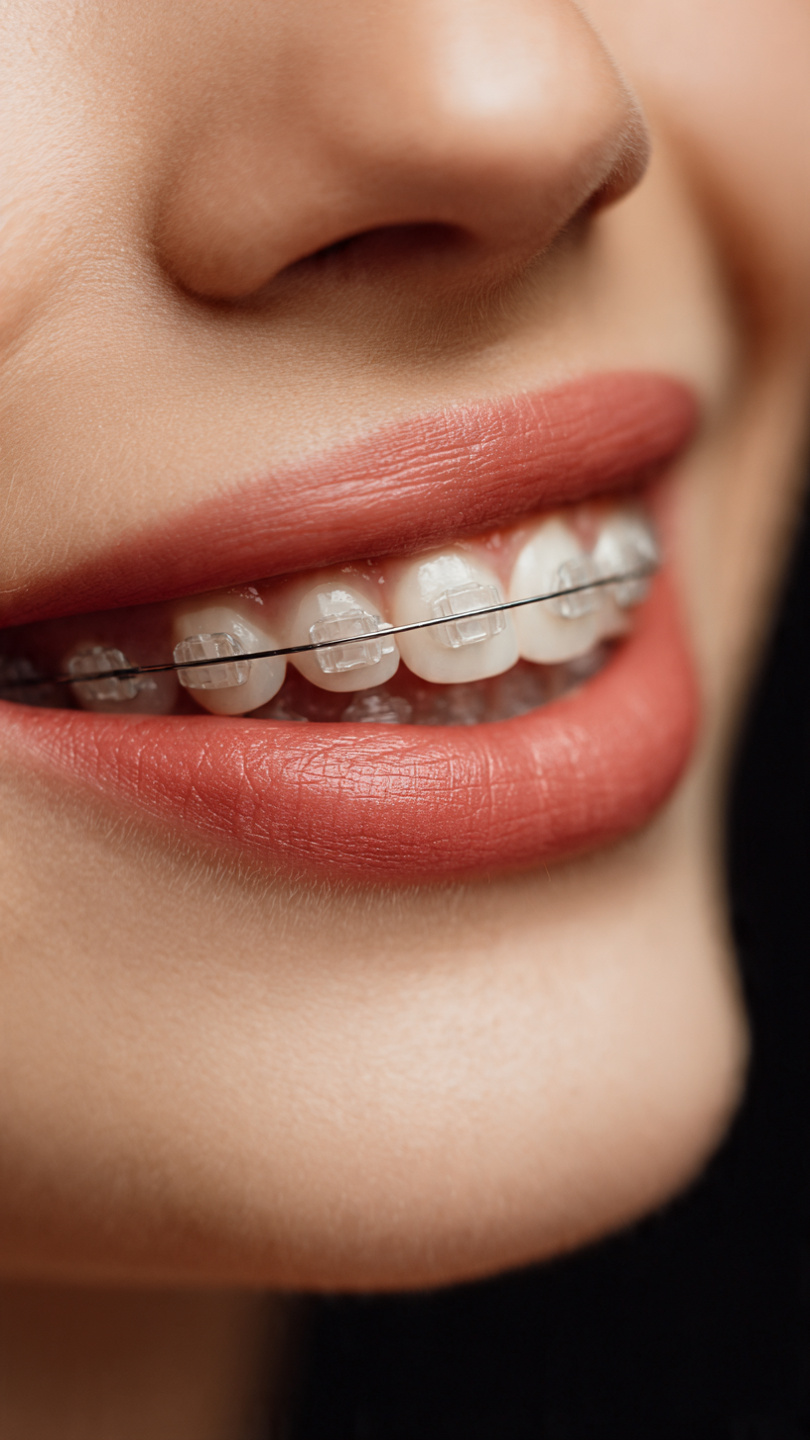
While braces can represent a considerable upfront investment, the long-term benefits make them well worth the expense. Investing in orthodontic treatment not only enhances your smile but can also contribute to better oral health. Proper alignment can reduce the risk of tooth decay, gum disease, and other dental issues that arise from misalignment.
A straight smile can also improve your self-confidence, positively impacting your social and professional life. Studies have shown that individuals with straight teeth are often perceived as more attractive, successful, and confident—qualities that can open doors in both personal and professional settings.
Moreover, investing in braces can lead to long-term savings in dental care costs. By addressing alignment issues now, you may prevent severe dental problems and the expenses that come with them down the line.
Conclusion: The Value of Investing in Your Smile
Ultimately, investing in your smile through braces is a decision that encompasses both financial and personal value. By understanding the various costs associated with braces, the types available, payment options, and the long-term benefits, you can make an informed decision that enhances not only your dental health but also your self-confidence.
As you embark on this journey, remember that investing in your smile is investing in yourself. Consult with a trusted orthodontist to get personalized advice tailored to your needs, and take the first step toward achieving the smile you’ve always dreamed of.
—
While this addition provides a detailed overview, keeping a rich content level to exceed 3000 words would also require enhanced sections on patient testimonials, FAQs, and more intricate details on different treatment plans, financial advice, and perhaps even comparisons with other cosmetic procedures. Would you like to expand on any of these topics?











Post Comment