Budgeting for Your Smile: The True Cost of Wisdom Teeth Removal Without Insurance

Wisdom teeth removal is a necessary procedure for many, but without insurance, the costs can quickly add up. Understanding the true financial impact of this dental procedure is crucial for effective budgeting. In this guide, we will explore the various aspects of wisdom teeth removal costs and provide you with the knowledge you need to plan accordingly.
Understanding the Basics of Wisdom Teeth Removal
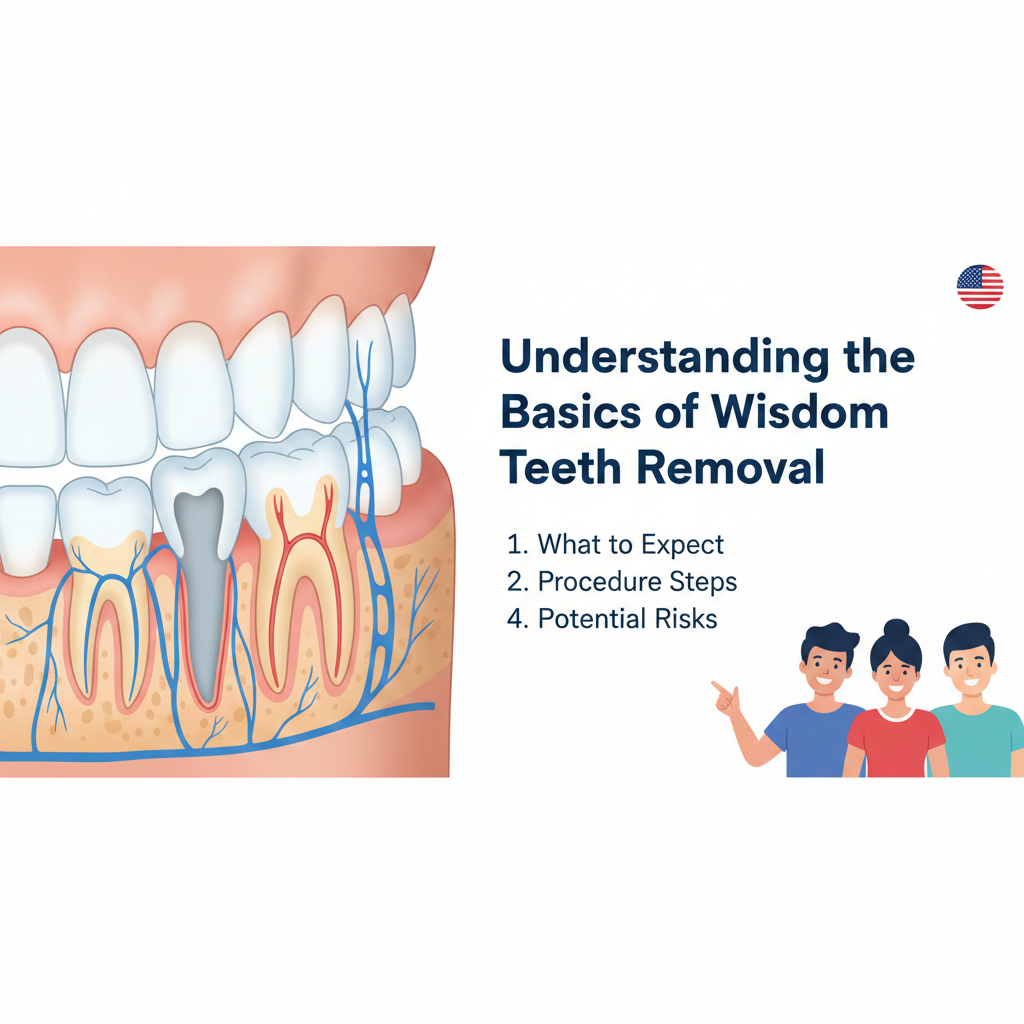
Wisdom teeth, or third molars, typically emerge in late adolescence or early adulthood. While some individuals experience no issues, others may encounter complications requiring extraction. Factors such as impaction, crowding, and dental alignment often necessitate surgical removal. Without insurance, the costs associated with this procedure can vary significantly based on several factors.
The average price of wisdom teeth removal can range from $300 to $1,800 or more per tooth, depending on the complexity of the extraction. Simple extractions usually cost less, while surgical removals involving anesthesia and incisions can be significantly more expensive. It’s essential to discuss your specific situation with your dentist to get a more accurate estimate tailored to your needs.
Factors Influencing the Cost of Wisdom Teeth Removal
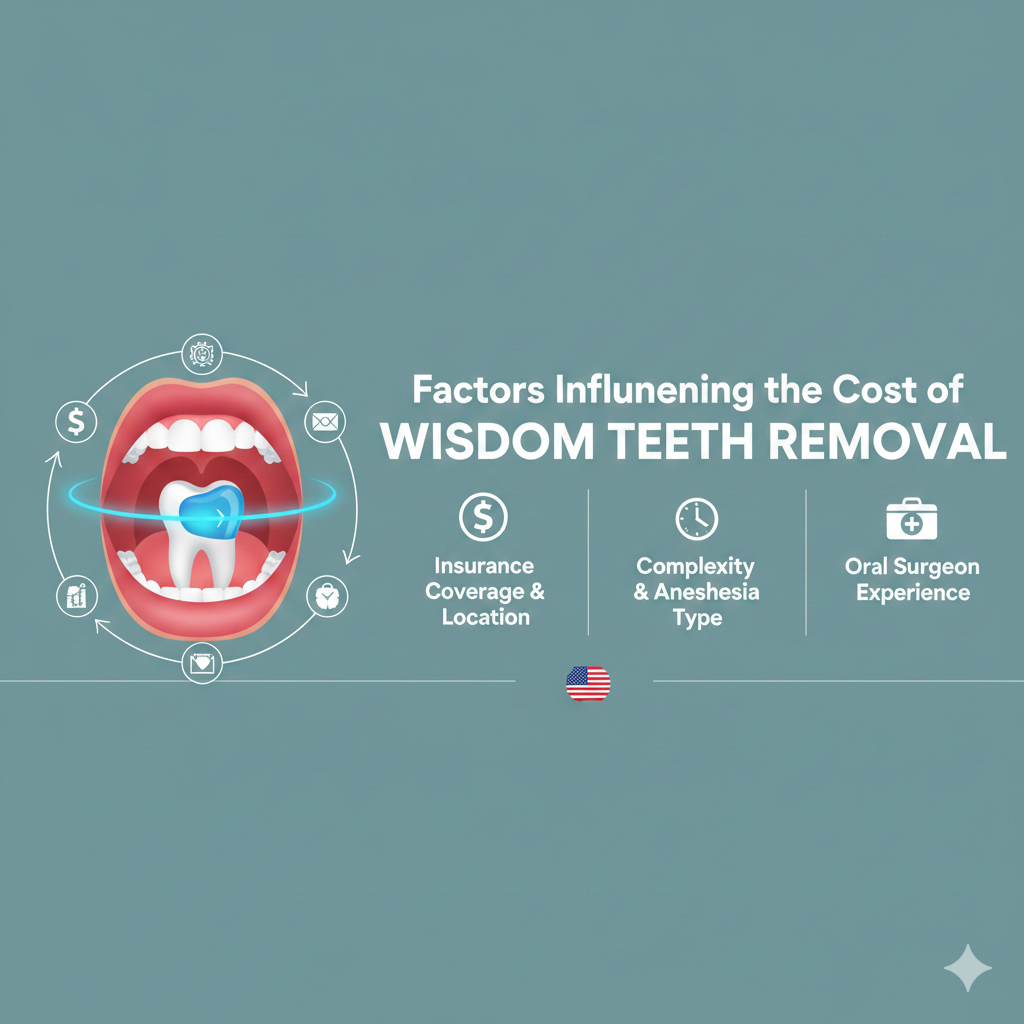
Several factors can affect the overall cost of wisdom teeth removal. The first significant factor is the complexity of the extraction. Simple removals—where the tooth is fully erupted and accessible—are generally more affordable compared to impacted wisdom teeth, which may require surgery and anesthesia.
Another factor to consider is the type of anesthesia used during the procedure. Local anesthesia is typically less expensive, while sedation or general anesthesia can increase costs significantly. It’s important to discuss these options with your dentist and understand how each choice affects your total bill.
Breaking Down the Costs: What to Expect

When budgeting for wisdom teeth removal, you’ll want to account for several components of the total cost. Initially, the consultation fee—with many dental practices charging between $50 to $200—is typically charged for the initial examination and planning. This fee may sometimes be credited towards the final procedure cost.
Next, it’s crucial to consider the cost of imaging, such as X-rays, which are necessary to assess the position of your wisdom teeth. These can range from $50 to $300, depending on the type of imaging performed. Ensure you inquire about these costs when discussing treatment options.
Finally, don’t forget to factor in potential follow-up appointments. After your wisdom teeth are removed, you may need to visit your dentist for check-ups. This can add another layer to your budget, especially if complications arise.
Insurance Options and Payment Plans

If you find yourself facing high costs without insurance, don’t lose hope. Some dental offices offer payment plans that allow you to pay off your treatment over time, making it easier to manage large expenses. Additionally, inquire about financing options through third-party services, which may offer low-interest loans specifically for dental procedures.
Moreover, some insurance plans may cover part of the costs associated with wisdom teeth removal, even if you’re currently uninsured. Check with your local dental schools, which often provide treatment at a lower cost while allowing dental students to gain practical experience under supervision.
Alternative Perspectives: The Value of Investing in Your Smile

While the upfront costs of wisdom teeth removal can be daunting, consider the long-term value of maintaining good oral health. Ignoring dental issues can lead to more extensive (and expensive) problems down the line, not to mention the pain and discomfort associated with untreated wisdom teeth. Investing in your dental health now can save you money and stress in the future.
Moreover, removing problematic wisdom teeth can improve your overall quality of life. By addressing these issues proactively, you can enjoy better oral hygiene and a reduced risk of further complications. The psychological benefits of relieving dental pain or discomfort cannot be understated, as they contribute to your overall well-being.
Conclusion: Preparing Your Budget for Wisdom Teeth Removal
In conclusion, budgeting for wisdom teeth removal without insurance requires careful consideration of various factors, from the type of extraction to follow-up appointments. By understanding the costs and exploring payment options, you can ensure that this essential procedure doesn’t become a financial burden. Remember, investing in your smile now can lead to a healthier, happier future.
As you plan your budget, stay informed and proactive in discussing your options with your dentist. Each person’s situation is unique, and tailored advice can help you navigate this necessary facet of dental care effectively.













Post Comment